
10 Smart Commercial Asset Management Strategies
Every commercial building depends on complex systems. Boilers, electrics, ventilation, plumbing, fire safety equipment and controls all work together every day. Yet without structured commercial asset management, these systems quietly decline. Costs rise. Breakdowns increase. Compliance risks develop.
For landlords, facilities managers, factory owners and multi-site operators, asset oversight is not optional. It protects long-term value, reduces disruption and supports regulatory compliance.
This guide explains what effective commercial asset management should involve, why it matters more than ever, and how a practical approach prevents reactive spending.
What Is Commercial Asset Management Maintenance?
Commercial asset management is the organised oversight of your building systems throughout their lifecycle. It includes:
- Identifying critical assets
- Scheduling maintenance
- Tracking compliance
- Monitoring performance
- Planning for future replacement
Rather than reacting to failures, it allows you to plan with confidence.
The Institute of Asset Management (IAM) describes asset management as “the art and science of making the right decisions and optimising the delivery of value”. In commercial buildings, that value includes safety, efficiency and reliability.
Why a Structured Approach Matters
Energy costs remain unpredictable. Compliance standards continue to evolve. Tenants expect higher performance from buildings. Meanwhile, ageing infrastructure struggles under growing demand.
Without clear oversight:
- Equipment fails unexpectedly
- Maintenance budgets fluctuate
- Insurance issues arise
- Compliance deadlines are missed
- Asset lifespan shortens
The Health and Safety Executive (HSE) stresses the importance of properly maintained equipment and safe systems of work. A structured management strategy directly supports those responsibilities.
The 10 Strategies
1. Identify Every Critical Asset
You cannot manage what you have not recorded. A clear asset register forms the foundation of effective commercial asset management.
This should include:
- Boilers and heating systems
- Electrical panels and distribution boards
- HVAC units
- Fire alarm and emergency lighting systems
- Plumbing and drainage infrastructure
- Water treatment equipment
- Refrigeration plant
Each entry should show installation date, service history and expected lifespan.
2. Understand Asset Lifecycles
All building systems have predictable operational lifespans. Boilers, ventilation units and electrical panels deteriorate gradually. Knowing where each asset sits within its lifecycle allows better decision-making.
Strong lifecycle planning prevents sudden failures and avoids rushed capital expenditure.
3. Link Asset Oversight to Compliance
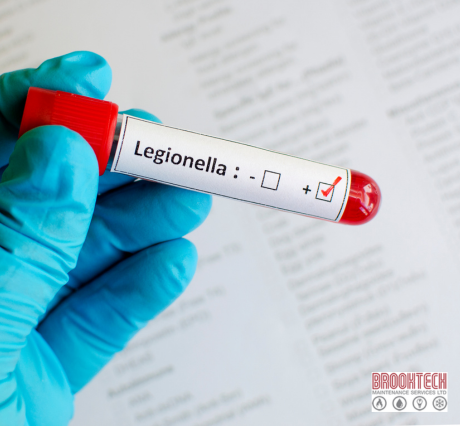
Many systems carry legal inspection requirements. Gas safety checks, electrical inspections, Legionella testing and fire alarm servicing must follow strict schedules.
An organised approach ensures:
- Inspection dates are tracked
- Certificates are stored correctly
- Remedial work is recorded
- Risk assessments stay updated
This protects your business from regulatory exposure.
4. Move from Reactive to Planned Maintenance
Reactive repairs often cost more and solve only immediate symptoms. A structured maintenance plan identifies early warning signs and addresses them before failure occurs.
This approach:
- Reduces emergency callouts
- Extends equipment lifespan
- Stabilises maintenance budgets
- Improves reliability
Planned oversight is central to effective commercial asset management.
5. Monitor Performance Trends
Asset oversight should go beyond basic servicing. Performance data reveals gradual decline before breakdown happens.
Look for:
- Rising energy consumption
- Increased callouts
- Inconsistent temperature control
- Electrical load imbalance
Monitoring trends allows targeted intervention rather than repeated short-term fixes.
6. Budget for Replacement Strategically
Unexpected capital costs create pressure. A long-term strategy allows you to forecast replacement years in advance.
Instead of reacting to failure, you can:
- Phase upgrades
- Spread investment
- Improve efficiency gradually
- Avoid operational disruption
Financial planning becomes far more predictable.
7. Take a Whole-Building View
Commercial buildings operate as integrated systems. Heating influences ventilation. Electrical load affects cooling demand. Plumbing impacts water hygiene compliance.
Viewing assets in isolation leads to incomplete solutions. A coordinated approach ensures root causes are addressed properly.
8. Improve Energy Efficiency Through Better Oversight
Ageing systems often waste energy. Poor calibration increases consumption. Controls fall out of sync with occupancy.
Effective commercial asset management identifies where improvements can be made without full replacement. Optimising controls and servicing equipment often delivers measurable savings.
9. Strengthen Reporting and Documentation
Clear documentation is essential. Asset registers, inspection logs and maintenance reports create accountability.
Good records:
- Support audits
- Protect during insurance reviews
- Provide clarity for directors
- Demonstrate proactive management
Without evidence, compliance becomes difficult to prove.
10. Protect Long-Term Property Value
Ultimately, well-managed assets protect the long-term value of your property. Buildings with documented servicing history attract stronger tenants and reduce investor risk.
When systems operate reliably:
- Downtime reduces
- Costs stabilise
- Performance improves
- Confidence increases
A disciplined approach supports return on investment across the entire building lifecycle.
The Risks of Neglecting Your Commercial Business Assets
When structured management is absent:
- Reactive repairs increase
- Energy waste grows
- Equipment fails prematurely
- Compliance becomes reactive
- Reputation suffers
These issues develop gradually and become expensive over time.
How Brooktech Can Support With Commercial Asset Management
At Brooktech we provide coordinated, multi-discipline maintenance support across the North West. With experience across gas, heating, plumbing, water treatment, electrical systems, HVAC, refrigeration and mechanical services, Brooktech understands how commercial assets interact.
Our support includes:
- Full asset condition surveys
- Planned Maintenance Programmes
- Compliance tracking
- Lifecycle planning
- Energy performance reviews
- Coordinated servicing across multiple disciplines
- Installation and upgrade of new systems
This structured approach strengthens reliability, improves transparency and simplifies long-term planning.
If you would like clearer visibility over your building systems and a stronger strategy for commercial asset management, contact us to discuss your maintenance requirements.